June 22, 2026
Malt Extract: A Natural Colouring and Flavouring Ingredient for Food & Beverages
With the current trend in the food and beverages market, there is an increase in consumer preference for products that have been prepared using recognizable and natural ingredients. In this context, as food and beverage manufacturers seek methods of making attractive products while maintaining a clear ingredient list, malt extract for natural colour and flavour can be an ingredient worth considering.
Being extracted from malted cereal grains, malt extract not only adds colour but also gives the product a characteristic flavour. It is a useful ingredient for a number of food and beverage applications because of its versatility.

What Is Malt Extract?
Malt extract is made from malted cereals, usually barley. Malt extract can also come from other cereals such as wheat, depending on how the product is made and its intended use.
In the malting process, germination of the cereal is carefully carried out before drying. In the process, certain natural components which give it flavor, aroma, and color are developed. These components may later on be used to make malt extract.
There are different types of malt extract which allow one to choose according to their need for color and flavor.
A Natural Source of Colour
Color is a significant factor in the perception of food and beverage products. The visual presentation of a product influences people’s expectations regarding its taste and quality.
Depending on its specification and strength, malt extract may provide various shades of color from brown to darker colors. This makes malt extract applicable in cases when both visual and flavor aspects should be fulfilled in the application process.
In contrast to the case when color and flavor are regarded as separate ingredients, malt extract has a great potential to combine both aspects of food.
Adding Characteristic Flavour
One of the advantages associated with malt extract is the capability of imparting unique flavors.
Malt extract may be capable of imparting certain unique flavors based on the kind of malt used and the process involved. The exact flavors will depend on the kind of malt, the processing method used, and the type of extract being used.
Malt extract may be used to enhance the flavor of baked products like bread and buns. In beverages, it can be used to improve the flavor of beverages. It can be used to enhance the cereal-like flavor of cereals and grains.
Colour and Flavour in One Ingredient
One of the primary reasons why malt extract becomes an appealing ingredient for product development is the capacity of the ingredient to deliver both color and flavor.
The traditional way of doing things involves the use of different materials to deliver the desired color and flavor. Depending on the product, malt extract could play the role of delivering both functions.
Applications Across Food and Beverage Products
Brewing and Beverages
Malt extract can be used in brewing and beverages applications where flavours, color and fermentability of malt are desired.
Baked Goods
Malt extract can impart color, flavor, and a distinct maltiness to breads, buns, cookies, and other baked goods.
Breakfast Cereals and Cereal-Based Foods
Since malt extract is made from cereal grains, it can enhance the flavor profile of breakfast cereals, cereal bars, and other cereal-based foods.
Confectionery and Sweets
The sweet and malt flavors of certain malt extracts can enhance certain confectionery and sweets recipes.
Choosing the Right Malt Extract
These include aspects like color value, flavor strength, solubility, process and final product requirements.
Where there is a need for more intense color, the specification may be different from where the main objective is developing a mild malt flavor.
Regulatory and Quality Considerations
The malt extract should be chosen based on food regulations and application in the market.
The manufacturer can also take into consideration the quality, consistence of the raw material, allergens and product specification while selecting a malt extract supplier.
Why Consider Malt Extract?
• Is produced from malted cereal grains naturally
• Could add colour and flavor
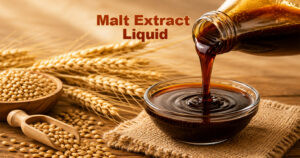
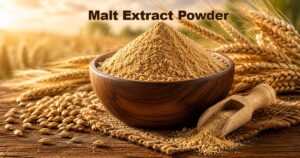
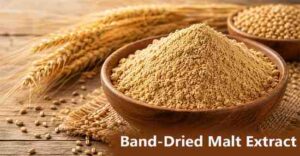
• Exists in various forms
• Can provide unique flavor notes of malt and cereal
• Could be used in many food and beverages
• Could complement an existing formula of products
• Provides versatility for product developers
Frequently Asked Questions (FAQ)
1. What is malt extract?
Malt extract is an ingredient that is derived from malted cereal grains, such as barley. It is used to contribute characteristic malt flavour, aroma, colour and, depending on the specification of the product, fermentable components.
2. What does malt extract taste like?
It may contain malty, sweet, toasted, caramel or cereal notes depending on the grain, malting process and specification of the product.
3. Does malt extract provide natural colour?
Yes. It may provide brown to darker colour notes depending on its specification and concentration, while at the same time providing characteristic malt flavour.
4. In which applications can malt extract be used?
Malt extract is applied in various applications, including brewing, beverages, bakery products, breakfast cereals, cereal bars and some confectionery products.
5. Can malt extract provide colour and flavour?
Yes. It is one of the benefits of this ingredient because it can simultaneously provide characteristic colour and flavour, which may result in the use of fewer ingredients for these purposes depending on the application.
6. Can malt extract be used in bakery products?
Yes. Malt extract may be added to breads, buns, biscuits, and other baked goods to give flavor and color.
7. How do I select malt extract?
The selection will be dependent on certain aspects including but not limited to color strength, flavor, solubility, process, dosing, and final product.
8. Is malt extract the same as malt sugar?
It depends. Malt extract is an ingredient containing components from malt, whereas malt sugar usually refers to maltose or any other sweetener rich in maltose. It depends on what the specification is.
9. Can malt extract be used in clean label products?
Malt extract is extracted from malted cereal grains and can be considered as one of the ingredients that derive naturally. But then again, whether it will suit as a clean label ingredient depends on the whole formulation and the requirements of the market.
10. What do manufacturers need to look out for when purchasing malt extract?
The manufacturers have to consider the technical specification, composition, color, and flavor profile of the ingredient among others.
Conclusion
Given the ongoing trend of food and beverage manufacturers trying out flexible and natural raw materials, malt extract for natural colour and flavour offers an efficient approach to incorporating both colour and taste into one ingredient.
Whether used in brewing, bakery, cereals, beverages, and confectionery, malt extract can contribute unique sensory profiles while also meeting diverse formulation needs.
It all boils down to selecting the right malt extract specification for your intended use. By understanding factors such as colour, flavour, processing methods, and regulatory requirements, manufacturers can make informed decisions about including malt extract in their product range.
For food and beverage manufacturers aiming to create unique formulations or improve existing ones, malt extract provides a versatile raw material that can add both colour and flavour character.